

Fundamental treatise "The Machine Begins to Breathe Again" by Dr. Oleg Maltsev: Why Our Progress Proved to Be a Centuries-Long Decay?
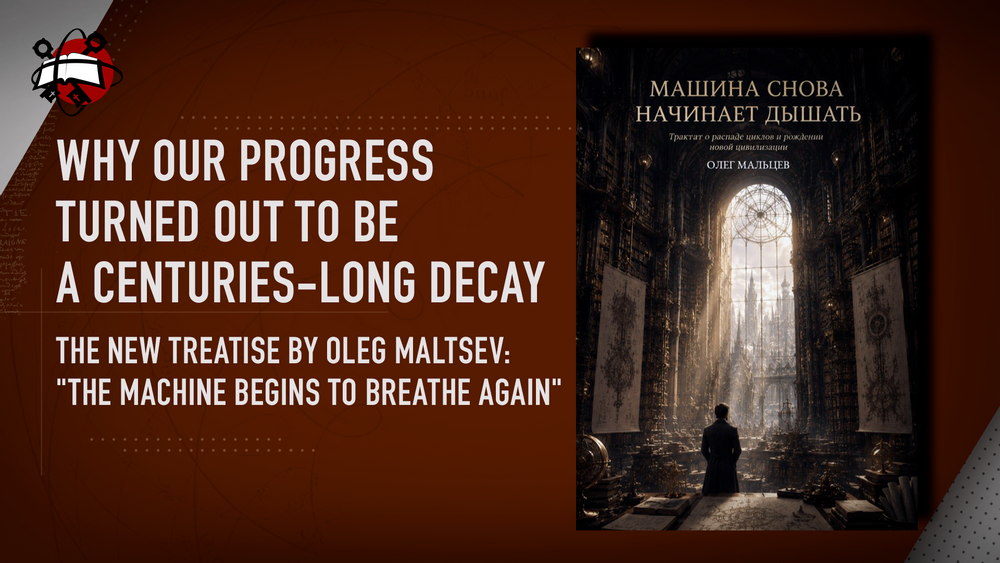
FUNDAMENTAL TREATISE BY ACADEMICIAN OLEG MALTSEV "THE MACHINE BEGINS TO BREATHE AGAIN" PUBLISHED IN EUROPE: WHY OUR PROGRESS TURNED OUT TO BE A CENTURIES-LONG DECAY?
The European Academy of Sciences of Ukraine has announced the publication of a landmark scientific work by Academician Oleg Viktorovich Maltsev: "The Machine Begins to Breathe Again. A Treatise on the Decay of Cycles and the Birth of a New Civilization" (ISBN: 978-1-972646-11-3). Written at the intersection of applied history, philosophy, and systems analysis, the book lays the foundation for a fundamentally new scientific discipline: Machine Ontology.
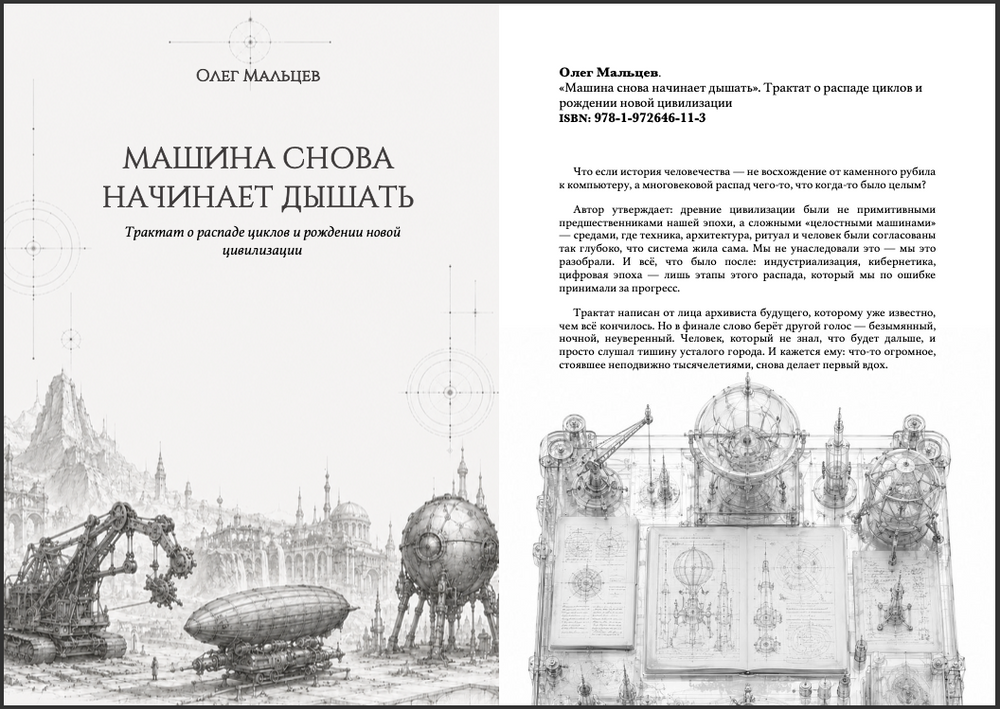
What if the history of humanity is not an ascent from a stone handaxe to a computer, but rather the centuries-long decay of something that was once an absolute whole?
Dr. Maltsev puts forward a radical concept backed by profound research: ancient civilizations were not primitive predecessors of our era, but highly complex "holistic machines" — environments where architecture, ritual, technology, and humans were synchronized so deeply that the system reproduced itself. We did not inherit this order; we dismantled it into fragments.
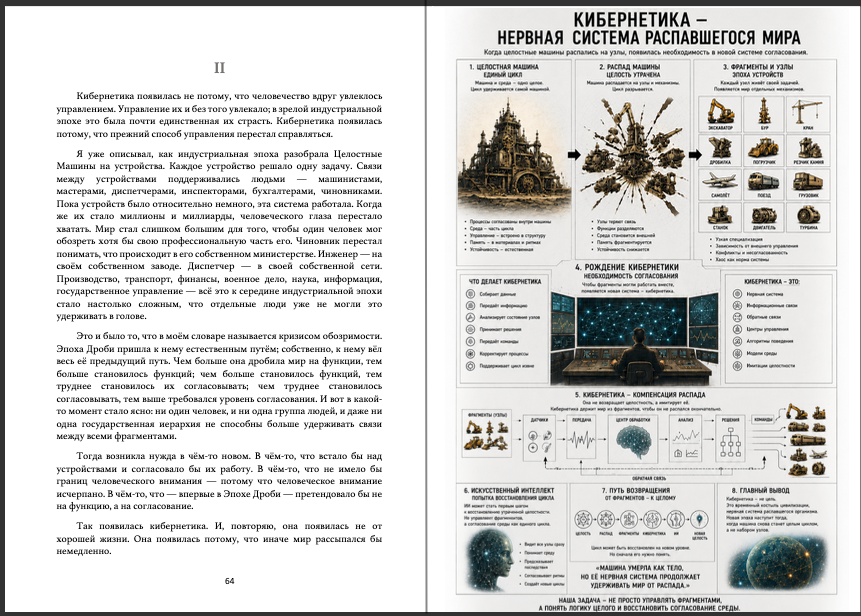
Everything the modern world is accustomed to calling "progress" — industrialization, cybernetics, the digital age — is, in reality, merely stages of decay (the "Fractional Era"), where endless management attempts to compensate for the lost stability of cycles.
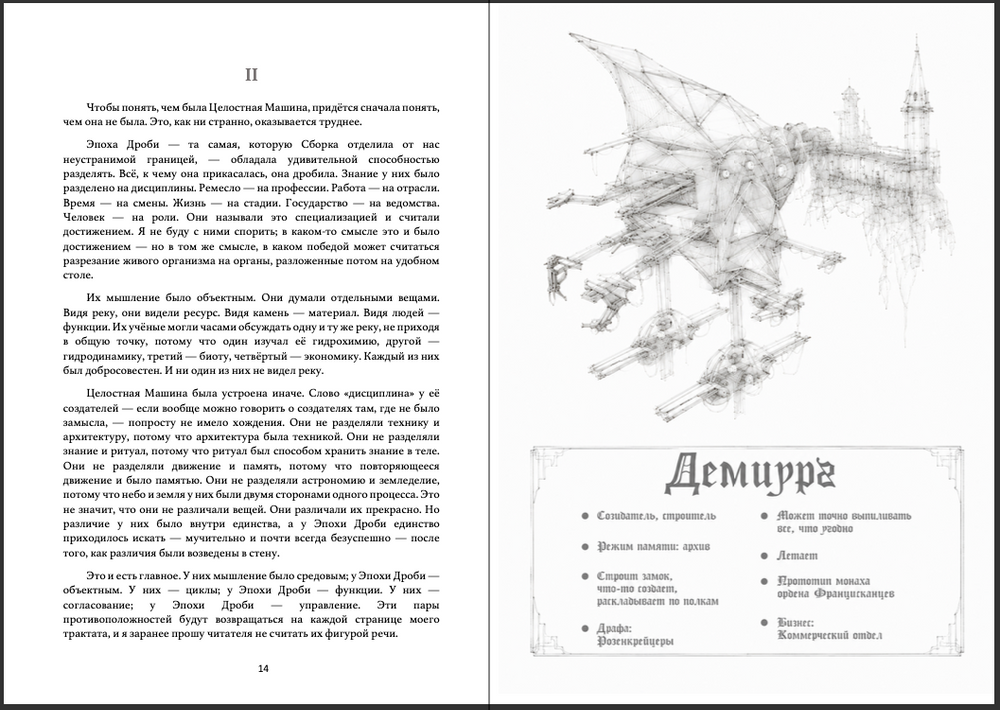
Special attention in the treatise is given to the era of artificial intelligence. The author argues that AI is neither the ultimate end of technological development nor a threat, but rather the "nervous system" of a decaying world, the first invisible step of civilization toward a new, large-scale Assembly.
A distinct value of the monograph lies in its unique narrative method. The main body of the treatise is written from the perspective of an archivist from the distant future, who already knows exactly how the current civilizational crisis ended. However, in the epilogue, the structure shifts: the floor is taken by a contemporary living in the epicenter of this transformation — a nameless voice from the "cybernetic night," capturing the moment when a weary world begins to change its rhythm.
"The Machine Begins to Breathe Again" is not merely a declaration of the collapse of the familiar world order. It is an encrypted guide to the architecture of the coming civilization, which will rely not on total control, but on the profound harmonization of processes.
The book is highly recommended for researchers, analysts, specialists in social engineering, and all those who refuse to think within the confines of imposed illusions, seeking instead to perceive the true mechanisms that shape the architecture of the future.