


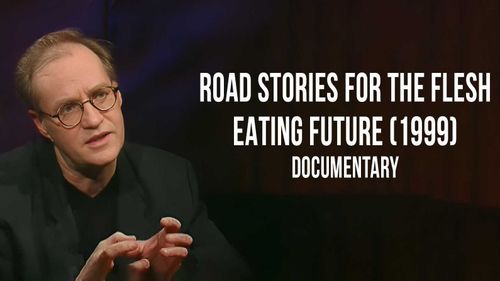
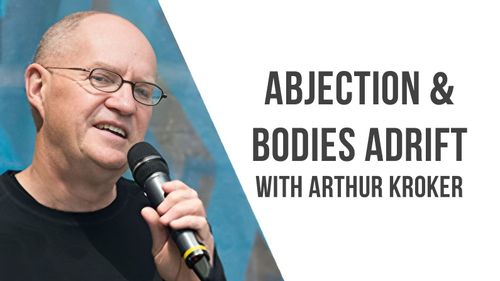
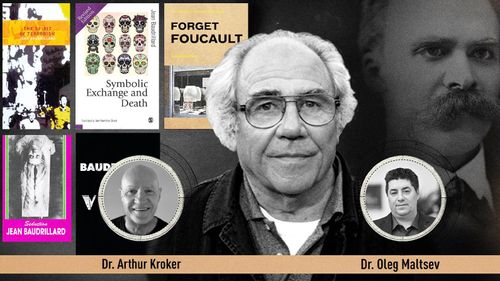
Dr. Arthur Kroker is EUASU Academician, educator and researcher of political science, technology and culture. Professor of political science at the University of Victoria. Director of the Pacific Centre for Technology and Culture (PACTAC). He is an author and editor of numerous books.
He earned a PhD in political science from McMaster University in 1975. In addition to being a professor of political science at the University of Victoria, Kroker is a Canada Research Chair in Technology, Culture and Theory, Professor of Political Science, and the Director of the Pacific Centre for Technology and Culture (PACTAC) at the University of Victoria.
Kroker has been an outspoken critic of the transformation of the early internet into a consumer-driven system ("virtual class").
He is the editor of the CTheory, internationally acclaimed scholarly, peer-reviewed journal of theory, technology and culture, and Critical Digital Studies: A Reader (University of Toronto Press).
Arthur Kroker is the author of numerous books: among the most recent are Exits to the Posthuman Future (Polity, 2014) and Body Drift: Butler, Hayles, Haraway (University of Minnesota Press, 2012). His writings have been published in translation including German, Japanese, Italian, Dutch, French, German and Russian. Dr. Kroker’s current research focuses on the new area of critical digital studies and the politics of the body in contemporary techno-culture.
Contacts:
Wikipedia
Email: akroker[at]uvic(dot)ca
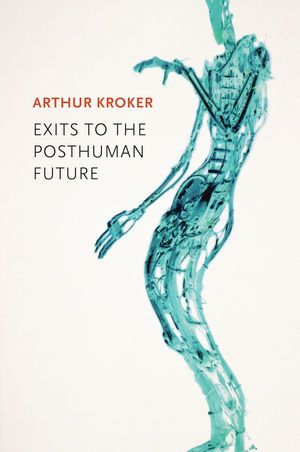 | Exits to the Posthuman Future
It is media theory for a global digital society which thrives, and sometimes perishes, at the intersection of technologies of speed, distant ethics and a pervasive cultural anxiety. It presents the emerging pattern of a posthuman future: life at the tip of technologies of acceleration, drift and crash. Kroker links key concepts such as “Guardian Liberalism” and Obama’s vision of the “Just War” with a striking account of “culture drift” as the essence of real world technoculture. The posthuman future is elusive: is it a gathering storm of cynical abandonment, inertia, disappearance and substitution? Or else the development of a new form of critical consciousness - the posthuman imagination - as a means of comprehending the full complexity of life? Depending on which exit to the posthuman future we choose or, perhaps, which exit chooses us, Kroker argues that a very different posthuman future will likely ensue. |
 |
Body Drift: Butler, Hayles, Haraway
As exemplary representatives of a form of critical feminism, the writings of Judith Butler, Katherine Hayles, and Donna Haraway offer entry into the great crises of contemporary society, politics, and culture. Butler leads readers to rethink the boundaries of the human in a time of perpetual war. Hayles turns herself into a “writing machine” in order to find a dwelling place for the digital humanities within the austere landscape of the culture of the code. Haraway is the one contemporary thinker to have begun the necessary ethical project of creating a new language of potential reconciliation among previously warring species. |
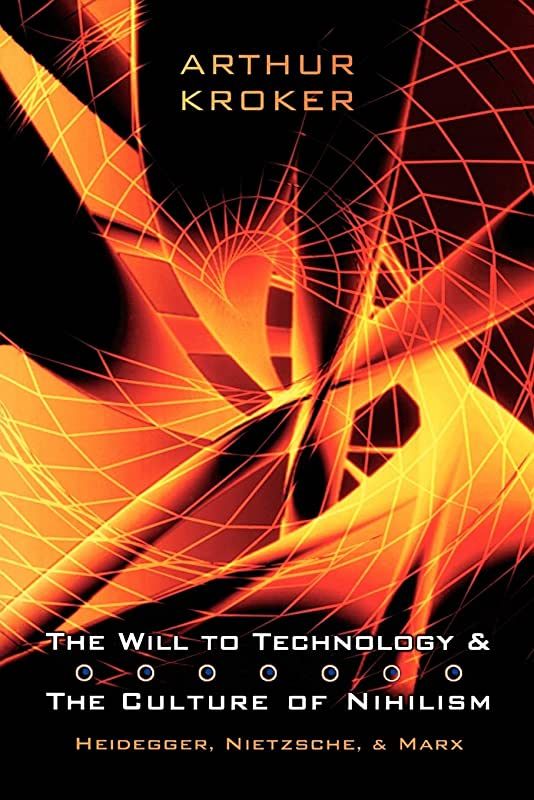 |
The Will to Technology and the Culture of Nihilism: Heidegger, Marx, Nietzsche In this book, Arthur Kroker explores the future of the 21st century in the language of technological destiny. Presenting Martin Heidegger, Karl Marx, and Friedrich Nietzsche as prophets of technological nihilism, Kroker argues that every aspect of contemporary culture, society, and politics is coded by the dynamic unfolding of the 'will to technology.' Moving between cultural history, our digital present, and the biotic future, Kroker theorizes on the relationship between human bodies and posthuman technology, and more specifically, wonders if the body of work offered by thinkers like Heidegger, Marx, and Nietzsche is a part of our past or a harbinger of our technological future. |